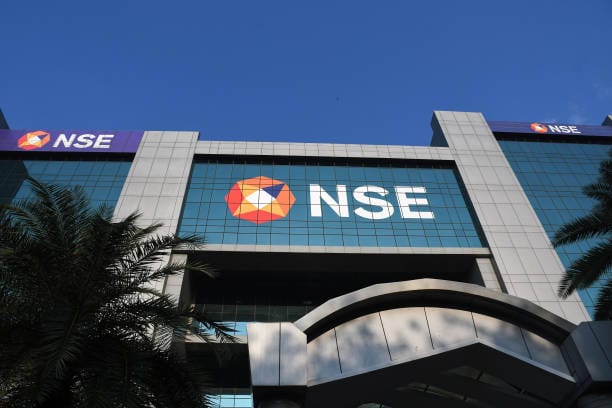
In 2025, the Securities and Exchange Board of India (SEBI) intensified its regulatory oversight across various financial domains — from weekly options expiry rules to the grey market of unlisted shares. This crackdown, aimed at boosting transparency and protecting investors, has sent ripples across India’s unlisted securities landscape, especially impacting pre-IPO shares of marquee companies like the National Stock Exchange (NSE).
SEBI’s recent actions stem from a series of investor complaints, regulatory blind spots, and alleged malpractices in unlisted markets. Cases of price rigging, lack of disclosures, and grey market intermediaries operating without proper licenses have drawn SEBI’s attention. This is not merely about curbing speculative behaviour — it signals a larger push toward a regulated, investor-friendly financial environment.
Unlisted stocks are shares of companies that are not yet listed on stock exchanges like NSE or BSE. These are often available through intermediaries, employee stock options, or pre-IPO funding rounds. While they offer high-reward opportunities, they come with equally high risks — mainly due to lack of regulation and transparency.
Unlisted shares are equity holdings in private companies not traded on formal exchanges. These shares are often accessed through private placements, startup funding, or employee stock ownership plans (ESOPs).
India’s grey market for unlisted shares operates in the shadows — facilitated by brokers and investment platforms offering access to shares like NSE, OYO, and PharmEasy. While lucrative, this space lacks SEBI’s direct supervision, which exposes investors to counterparty risks and misinformation.
NSE’s dominance in India's capital markets, robust financials, and strong brand made its unlisted shares extremely attractive. With the long-awaited NSE IPO on the horizon, many investors piled into the grey market seeking early gains. This hype, however, also fueled speculative pricing — prompting SEBI’s red flag.
SEBI observed that many investors were lured into unlisted shares with promises of high returns, often without adequate understanding of the risks involved.
Unlike listed entities, private companies aren’t required to publish quarterly results or adhere to market-wide disclosure norms. This leads to information asymmetry, often exploited by brokers.
Artificial inflation of unlisted share prices, insider deals, and false narratives around upcoming IPOs have been part of SEBI’s scrutiny. The watchdog has pointed to multiple cases of coordinated price rigging.
SEBI is tightening rules governing private placements and off-market transactions. This includes mandating registration of platforms facilitating unlisted shares and standardising documentation.
New rules may restrict how and when employees can sell their ESOPs in the secondary market, curbing speculative arbitrage and information leaks.
SEBI is also clamping down on unauthorised intermediaries. Unregulated platforms and grey market dealers will now need registration under SEBI’s RA (Research Analyst) or IA (Investment Advisor) frameworks.
Investors in unlisted shares — especially those holding pre-IPO companies like NSE or PharmEasy — are facing valuation volatility and illiquidity due to sudden market freezes and compliance mandates.
With SEBI's scrutiny, previously inflated prices of unlisted stocks are seeing corrections. Brokers are now being asked to justify valuations with financial data and disclosures.
Retail enthusiasm is cooling down. Risk-averse investors are stepping back, waiting for clearer regulatory pathways or opting for safer, listed investments.
Private companies relying on ESOP liquidity or grey market buzz to attract talent or raise pre-IPO capital now face stricter due diligence norms and lower enthusiasm.
With restrictions on secondary market sales, employees may find it harder to monetise ESOPs pre-IPO — reducing the appeal of startup compensation structures.
Startups will now have to increase compliance spending, introduce tighter governance mechanisms, and legally vet all secondary transactions.
Platforms like UnlistedZone, which already maintain a certain degree of compliance, are expected to benefit from SEBI’s moves. Only SEBI-registered platforms will thrive long-term.
Investors will now demand verified documents, detailed financials, and company disclosures before buying any unlisted stock — pushing intermediaries to improve transparency.
Institutional investors are likely to dominate this space, as retail investors get filtered out due to higher compliance and due diligence demands.
Many intermediaries have welcomed SEBI’s move, hoping it will weed out bad actors and build investor trust. Some, however, are concerned about losing short-term business.
Startup founders worry the new norms might hurt liquidity and valuation discovery, especially during late-stage fundraising rounds.
Experts believe the crackdown is a step in the right direction — ensuring unlisted markets don't become a “wild west” ahead of IPOs.
If executed properly, SEBI’s measures could create a more stable and trustworthy ecosystem for pre-IPO investments.
Yes, stricter norms may deter early-stage investments and limit employee wealth creation avenues, especially if compliance becomes overly bureaucratic.
Countries like the US have regulated secondary markets for private equity. SEBI’s move brings India a step closer to global standards.
Investors should prefer SEBI-registered platforms and verified brokers for unlisted shares.
Before investing, thoroughly assess company financials, background of promoters, legal standing, and audit history.
Avoid overexposure to unlisted stocks. Balance with mutual funds, listed equities, and fixed income to mitigate risk.
SEBI wants to build a safer, more transparent, and vibrant private equity market — aligning with global best practices.
Expect more clarity around taxation, valuation disclosures, and stricter KYC norms for both buyers and sellers of unlisted stocks.
Digital KYC, blockchain-based transaction records, and real-time compliance monitoring are likely to become integral.
As NSE’s IPO remains pending, its unlisted share prices surged irrationally. SEBI’s action now brings those valuations under renewed scrutiny.
Companies like OYO, PharmEasy, and Ola have also seen revaluation shocks. Some paused ESOP sales and delayed fundraising plans.
Employees holding ESOPs now face longer lock-ins, fewer exit routes, and possible markdowns — altering the compensation dynamics in startups.
Lawyers advocate for standardised transaction documentation and investor rights clauses in all unlisted share dealings.
Advisors are urging clients to treat unlisted shares as high-risk, long-term assets — not quick profit opportunities.
Think tanks view SEBI’s crackdown as part of a broader reform agenda — vital for deepening India’s capital markets.
SEBI’s crackdown on unlisted stock markets is a wake-up call for investors and intermediaries alike. While the short-term pain is undeniable, this could usher in a healthier and more transparent ecosystem. For those willing to adapt, opportunities still abound — but caution, compliance, and clarity must be your new investing compass.
Retail investors must now rely on SEBI-registered platforms and be ready for more stringent KYC and due diligence.
Yes, but only through authorised and compliant platforms, and with proper documentation.
Ensure the platform is SEBI-registered, ask for share transfer forms, company board resolutions, and payment trail.
ESOP monetisation may be delayed or face new restrictions until the company lists or meets compliance thresholds.
No, but unregulated trading and grey market dealings are now under tighter scrutiny.