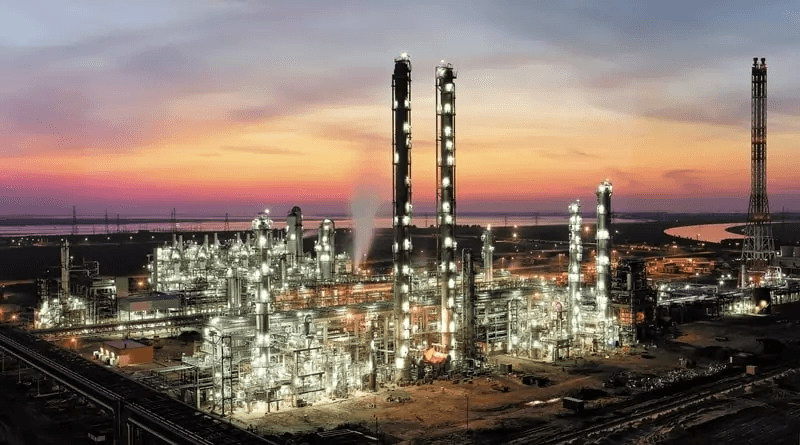
As India’s energy demand continues its upward trajectory, Nayara Energy is poised to become one of the most watched pre-IPO opportunities of 2025. With strong refining capabilities, a growing retail footprint, and strategic backers like Rosneft and Trafigura, Nayara holds significant promise. However, the shadow of EU sanctions on Russia introduces complex challenges for investors evaluating the company’s future. This blog explores Nayara’s business fundamentals, geopolitical entanglements, and the essential due diligence that Indian pre-IPO investors must undertake.
Nayara Energy emerged from the acquisition of Essar Oil in 2017 by a consortium led by Rosneft (Russia) and Trafigura-UCP (Singapore/Netherlands). Since then, it has evolved into one of India’s largest private oil refiners, operating the Vadinar refinery in Gujarat with a capacity of 20 million tonnes per annum.
Its downstream business includes over 6,500 retail outlets, making it a formidable player in India's fuel distribution ecosystem. With global experience and robust infrastructure, Nayara has increasingly aligned itself with the changing dynamics of India's energy landscape.
EU sanctions are tools of foreign policy that impose restrictions on trade, finance, travel, and technology to achieve strategic objectives—primarily in response to human rights violations or geopolitical conflict.
Following Russia’s 2014 annexation of Crimea, and more severely after the 2022 Ukraine invasion, the EU implemented sweeping sanctions against Russian state-owned entities, including Rosneft. These sanctions prohibit European entities from dealing with blacklisted Russian companies and individuals, particularly in the energy sector.
While not directly aimed at Nayara, the secondary effects of these sanctions are reverberating across businesses tied to Russian stakeholders.
Rosneft holds a 49.13% stake in Nayara, making it the largest shareholder. This connection exposes Nayara to indirect risks, as financial institutions and trade partners grow increasingly cautious when dealing with companies that have Russian links.
Although Nayara itself is not sanctioned, its close ties to Rosneft make it susceptible to secondary sanctions, reputational risks, and compliance-related restrictions, especially in international financing and trade.
This also raises concerns for institutional investors who must adhere to ESG mandates or foreign investment guidelines that scrutinize exposure to sanctioned entities.
Market chatter suggests Nayara Energy is preparing for a landmark IPO in late 2025, targeting a valuation north of ₹65,000–₹75,000 crore. The IPO is expected to provide a partial exit for some existing shareholders while injecting fresh capital for expansion.
Despite the buzz, potential investors are treading cautiously. The geopolitical baggage, combined with complex regulatory oversight, is forcing many to take a wait-and-watch approach.
Yet, with India’s strategic interest in securing oil assets and refining capabilities, domestic investors see an opportunity to tap into a long-term growth story.
Nayara's financial performance from 2023 to 2025 shows a mixed bag. While revenues crossed ₹1.2 lakh crore, thanks to strong refining margins and retail fuel sales, net profit margins remained volatile, reflecting crude price fluctuations and higher borrowing costs.
The company has undertaken significant capex to upgrade the refinery and expand its retail network, funded through a mix of internal accruals and debt. However, foreign exchange exposure remains a concern, especially as a chunk of its debt is denominated in USD and EUR.
Despite these challenges, Nayara’s asset base, revenue pipeline, and retail growth make it a compelling player in the energy sector.
For Indian pre-IPO investors, SEBI imposes clear guidelines regarding investment in entities linked to sanctioned or high-risk jurisdictions. Nayara’s Russian ties, while not a disqualifier, necessitate additional disclosures and may invite greater regulatory scrutiny.
Indian mutual funds, AIFs, and PMS players may be wary of compliance risks, especially if Nayara’s ownership is perceived to fall under “beneficial ownership” by sanctioned entities. Brokerage firms facilitating the IPO may also need to carry out enhanced KYC and report suspicious activity if required.
The primary risks for Nayara IPO participants include:
For institutional investors, reputational and ESG risks loom large. For retail investors, the lack of clarity around how sanctions might evolve adds an extra layer of uncertainty.
Despite the risks, Nayara has powerful growth levers:
For long-term investors, these factors make Nayara a high-risk, high-reward bet.
India’s neutral stance on the Russia-Ukraine conflict has allowed companies like Nayara to continue functioning relatively unscathed. The Government of India (GoI) has prioritized energy security, and Russian crude imports have played a key role in ensuring affordable energy supplies.
If India continues to strike a diplomatic balance, Nayara’s operations—and by extension, its IPO prospects—may remain protected. However, any shift in foreign policy or global pressure could impact investor sentiment.
Institutional investors—such as sovereign wealth funds and pension funds—are likely to:
Retail investors, meanwhile, may follow institutional sentiment, but must be cautious of volatility, lock-in periods, and grey market premiums. Clear due diligence is non-negotiable.
Brokerage reports and analysts are divided:
As of mid-2025, unlisted market activity suggests lukewarm enthusiasm, but that may shift closer to the IPO.
Key external factors influencing Nayara’s valuation include:
Investors must model Nayara’s valuation with these macro factors in mind.
Before subscribing, investors should:
Consider seeking advice from a financial advisor or compliance consultant, especially if investing a large amount.
Nayara Energy’s IPO represents a rare mix of promise and peril. While the company’s fundamentals are strong and India’s energy demand is growing, the EU sanctions cast a long shadow over its valuation and compliance posture.
For Indian pre-IPO investors, the path forward is not just about chasing returns—it’s about balancing geopolitical awareness with financial foresight. Staying updated, asking the right questions, and not blindly following market sentiment will be key to making an informed investment decision.
Q1: Is investing in Nayara Energy’s IPO risky due to EU sanctions?
Yes, due to Rosneft’s stake, Nayara may face indirect risks. However, it is not directly sanctioned and continues operating in India under full compliance.
Q2: How involved is Rosneft in Nayara’s operations?
Rosneft holds a major stake and strategic influence but operational decisions are largely localized in India.
Q3: What returns can pre-IPO investors expect in 2025?
Uncertain. Returns depend on IPO pricing, sanction sentiment, crude prices, and post-listing performance.
Q4: Are there alternative energy IPOs to consider in 2025?
Yes. Companies in renewable energy, like ReNew Power subsidiaries or Apollo Green Energy, may offer cleaner risk profiles.
Q5: Can sanctions be lifted post-IPO, improving valuation?
Possibly. If geopolitical tensions ease and sanctions soften, Nayara’s valuation may benefit significantly.