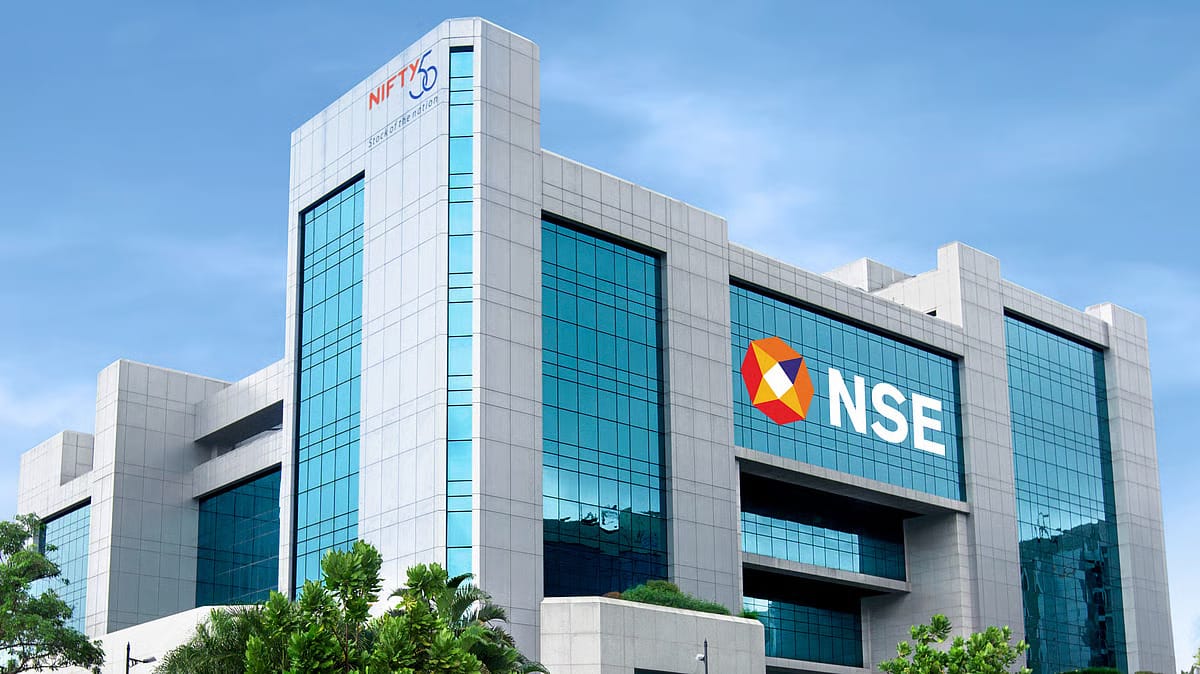
The National Stock Exchange (NSE) has officially received the green light from the Securities and Exchange Board of India (SEBI) to launch monthly electricity futures. This approval marks a transformative development in India's evolving power sector and signifies the entry of NSE into a new frontier of commodity derivatives electricity trading.
As India aims to modernize its energy infrastructure and push for cleaner, more efficient power markets, the introduction of electricity futures is set to bring much-needed transparency, predictability, and investor confidence into the system.
Electricity futures are standardized contracts that allow market participants to buy or sell electricity at a predetermined price for delivery in a future month. Unlike traditional day-ahead spot trading through power exchanges, futures contracts offer a longer time horizon and greater stability in pricing.
With NSE entering this space, participants now have another platform to hedge against price volatility, manage operational risks, and ensure consistent cash flows.
Although MCX was the first to secure approval to offer such futures, NSE’s participation will bring scale, liquidity, and competition. Given NSE’s large user base, deep institutional reach, and robust clearing infrastructure, it is expected to
NSE’s electricity futures are expected to benefit multiple stakeholders:
This approval is a part of SEBI’s broader push to enhance commodity derivatives and deepen India's financial markets. In its official statement, NSE highlighted that these futures will be cleared through NSE Clearing, ensuring counterparty risk protection.
Moreover, NSE plans to expand into related instruments such as contracts for difference (CFDs) and long-tenor derivatives, subject to regulatory clearance.
India’s electricity market is undergoing a quiet revolution. With NSE’s SEBI-approved launch of monthly electricity futures, the country has taken a major step toward energy market reform. This initiative will empower stakeholders with better financial tools, improve risk management, and help align India's power markets with global standards.
As electricity becomes a more tradable, hedgeable commodity, participants can expect higher efficiency, transparency, and resilience—hallmarks of a matured, investor-friendly economy.
Monthly electricity futures are standardized contracts that allow market participants to lock in the price of electricity for a future month. This helps in managing price risks and provides cost certainty in a market that is often affected by seasonal demand and supply fluctuations.
Discoms and large industrial consumers will be able to hedge against unexpected spikes in electricity prices. This means they can plan their procurement more efficiently and reduce financial shocks caused by sudden rate hikes in the spot market.
While IEX facilitates day-ahead and real-time spot trading, NSE’s futures contracts allow participants to trade electricity prices ahead of time, on a monthly basis. This adds long-term stability and is a key difference in market depth and strategy.
Currently, electricity futures are mainly targeted at institutional participants like discoms, IPPs, and industrial consumers. However, NSE’s infrastructure may allow indirect participation by traders and investors through brokers or energy funds in the future.
NSE has received SEBI approval and is expected to launch monthly electricity futures soon. A formal announcement with a go-live date will be made by NSE in the coming weeks as the operational framework is finalized.