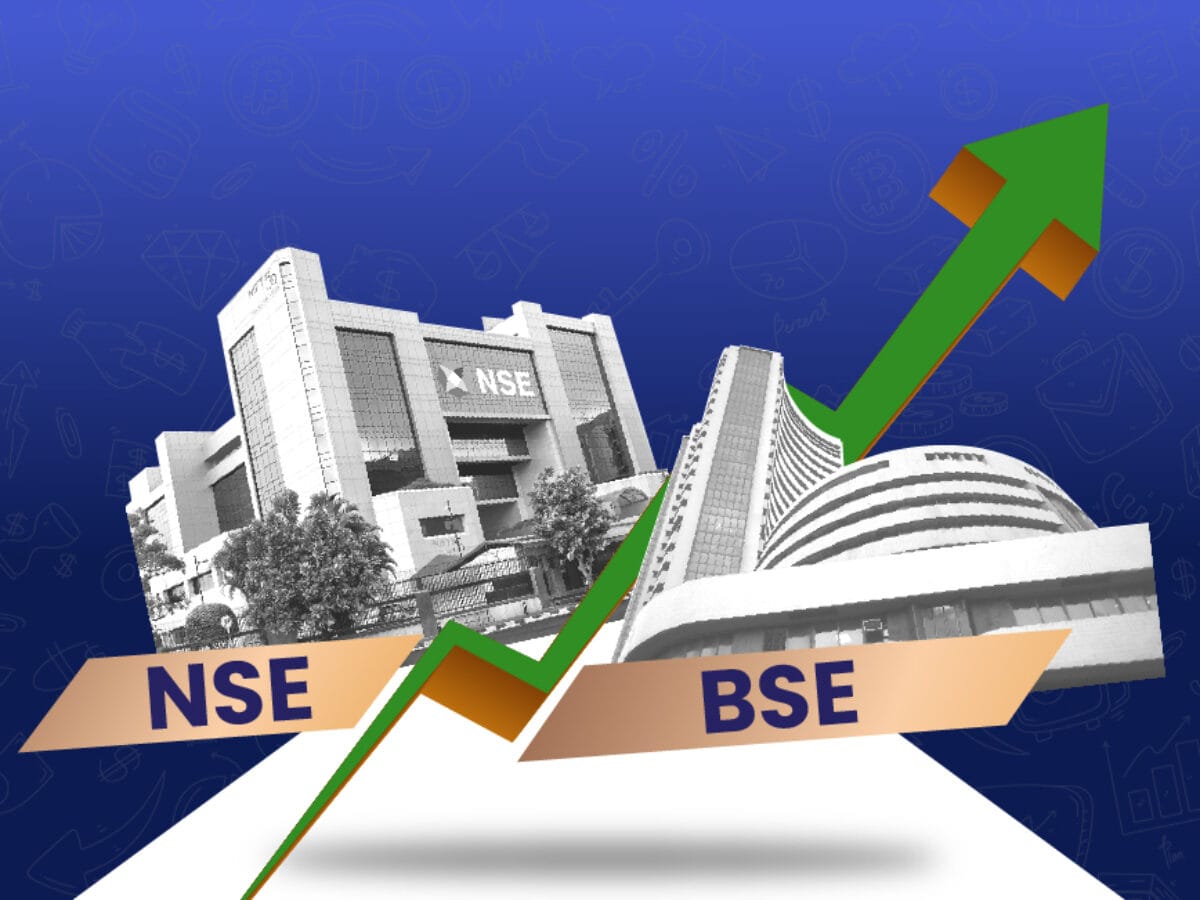
When it comes to stock market investing in India, two major names stand out BSE (Bombay Stock Exchange) and NSE (National Stock Exchange). Both these stock exchanges play a crucial role in India’s financial markets, facilitating the buying and selling of stocks, bonds, derivatives, and other financial instruments. But for new and seasoned investors alike, a common question arises: What’s the difference between BSE and NSE stocks, and which one is better for Indian investors?
In this article, we'll explain everything you need to know about NSE vs BSE, compare them based on important aspects, and help you decide which exchange might suit your investment strategy better.
The Bombay Stock Exchange (BSE) holds the distinction of being Asia’s oldest stock exchange, established way back in 1875. Operating from Mumbai, it’s also one of the world’s largest exchanges by the number of listed companies, with over 5,000 firms available for investors to trade.
The Sensex, BSE’s benchmark index, tracks the performance of 30 of the largest and most actively traded companies on the exchange. BSE has earned a reputation for offering a wide variety of stocks, including small-cap and mid-cap companies, making it a preferred choice for investors looking for long-term growth in diverse sectors.
The National Stock Exchange (NSE), established in 1992, brought a modern and transparent electronic trading platform to India’s capital markets. In a relatively short time, it gained popularity for its technologically advanced systems, faster trade settlements, and greater liquidity in large-cap stocks.
NSE’s benchmark index is the Nifty 50, which includes 50 of the largest and most stable companies in the country across key sectors. Due to its high trading volumes and better liquidity, NSE has become the go-to exchange for day traders, intraday investors, and those dealing in derivatives like futures and options.
Now, let’s understand the main difference between BSE and NSE stocks. While both exchanges list many of the same companies, the key variations lie in their trade volumes, liquidity, technology, and benchmark indices.
BSE is known for its vast number of listed companies, making it ideal for investors interested in small-cap and mid-cap stocks. On the other hand, NSE stocks are favored by active traders and institutional investors because of their higher trading volumes, tighter bid-ask spreads, and better liquidity.
Another important BSE vs NSE difference is their benchmark indices — Sensex for BSE and Nifty 50 for NSE, each tracking a different set of leading companies. Although many companies are listed on both exchanges, the ease of executing trades and available market depth can differ, especially for high-frequency and large-volume trades.
So, NSE vs BSE, which is better? The answer depends on your investment goals and trading style.
Additionally, factors like trading volumes, price fluctuations, and availability of certain stocks on specific exchanges might influence your decision. The good news is, most brokerage accounts in India give you access to both exchanges, so you can choose based on your preferences and market conditions.
At Unlisted Ideas, we go beyond the conventional BSE and NSE stocks. While both exchanges offer ample opportunities in listed equities, there’s a growing interest among investors in the unlisted shares and pre-IPO market areas where Unlisted Ideas specializes.
We help investors discover lucrative opportunities in the unlisted space, providing insights into upcoming IPOs, pre-IPO valuations, and high-growth private companies before they hit the stock exchanges. If you're looking to diversify beyond BSE and NSE stocks and tap into emerging investment options, Unlisted Ideas is your trusted partner.
Q1. What is the main difference between BSE and NSE?
The main difference between BSE and NSE lies in their trading systems, liquidity, and benchmark indices. BSE is older with a higher number of listed companies, while NSE offers higher trading volumes and better liquidity, particularly favored by active traders.
Q2. Can I trade the same stock on both BSE and NSE?
Yes, most major companies are listed on both exchanges, and you can choose to trade them on either BSE or NSE based on market conditions and pricing.
Q3. Which exchange is better for beginners — NSE or BSE?
For beginners, NSE is often recommended because of its higher liquidity and narrower bid-ask spreads, making trade execution faster and easier.
Q4. What is the difference between NSE and BSE indices?
Sensex is the benchmark index of BSE, tracking 30 large-cap companies. Nifty 50 is NSE’s index, tracking 50 of the largest listed companies in India.
Q5. Can I invest in unlisted shares through BSE or NSE?
No. BSE and NSE only list publicly traded companies. To invest in unlisted shares or pre-IPO opportunities, you can explore platforms like Unlisted Ideas, which specialize in unlisted equity investments.
Both BSE and NSE stocks offer unique advantages depending on your investment goals. Understanding the difference between NSE and BSE is essential for making informed trading decisions in the Indian stock market. And if you’re looking to explore beyond listed stocks, don’t forget to check out Unlisted Ideas for exclusive unlisted share opportunities and pre-IPO deals.
For personalized advice or to access the best unlisted investment ideas in India, visit Unlisted Ideas today!